Knowledge about Information Modelling Software and Water System Modelling Software
Concept about Information Modelling Software
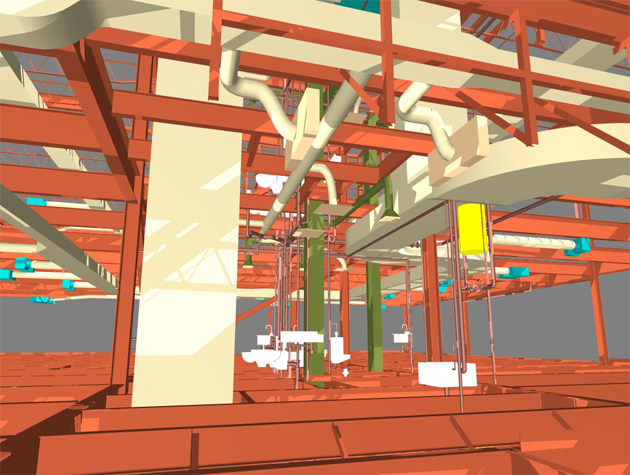
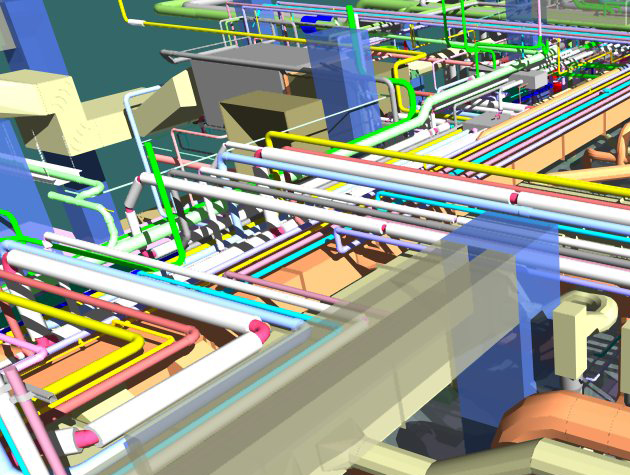
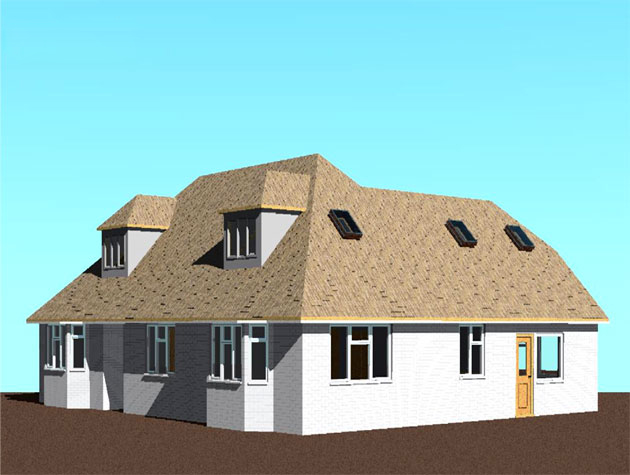
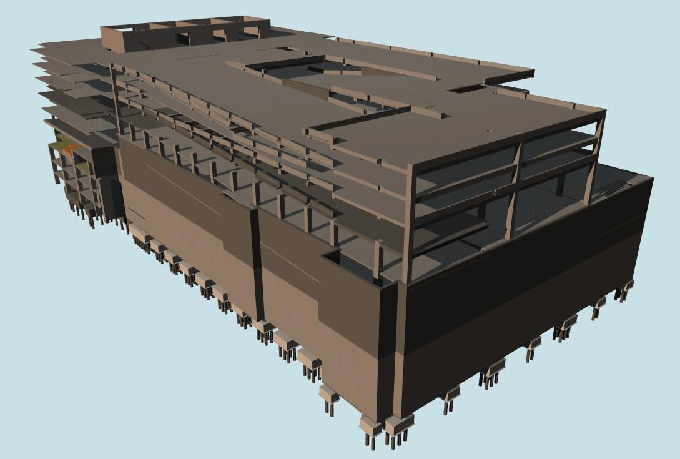
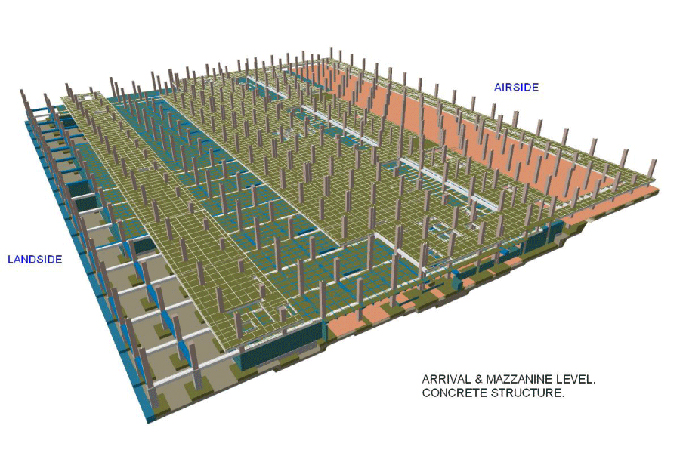
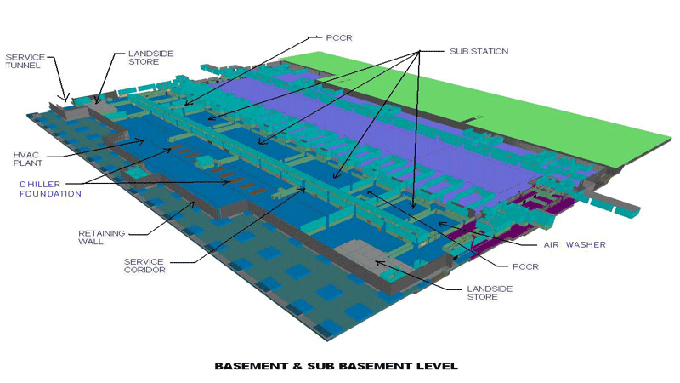
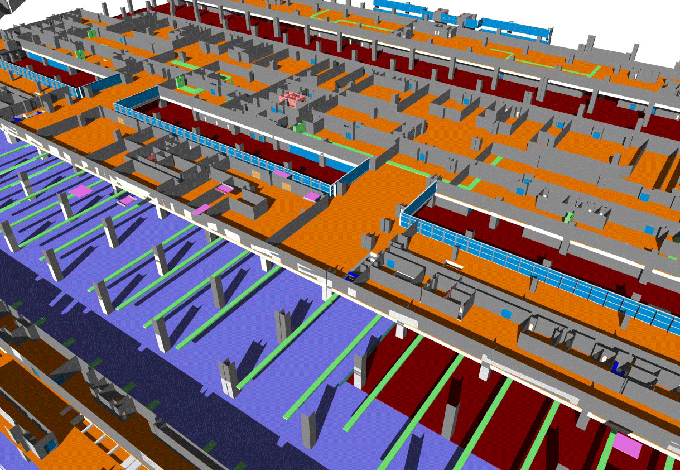
Information Modelling Software is a digital working method which uses virtual digital 3D design models as the basis for designing, planning, constructing, managing and operating design projects. 3D design models obtained from the Information Modelling Software contain more than just graphical information, which allows the design properties to be attached to each component of the building structure.
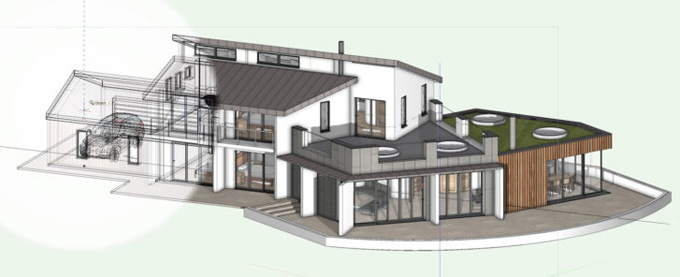
In effect, the design models have become a central repository for all relevant project information, which can be shared amongst all project team members. The Information Modelling Software has been used for any type of design project, including building, bridges, roads and other infrastructure projects.
The creation of the information model is the process which has been used to define and analyse the information requests indicated in the information specifications and the information management plan. The design tools of the information modelling software have been used to guarantee quality, efficiency and effectiveness of the design project. The design model achieved from the information modelling software must satisfy the requests for insertion, updating and addition of the information in the design model over time. The software technologies that have been adopted in the information modelling software can strongly influence the result of the information design model. There are geometric representations of the managed entities along with a definition of the required level of detail.
Key functions of the information modelling software
1. Information modelling software helps to create detailed, data-rich 3D models, which contain architectural, structural, and MEP (mechanical, electrical, plumbing) data.
2. The information modelling software has early identification of interference features, which helps to prevent costly on-site revisions.
3. The centralised cloud-based options of the information modelling software enable the multidisciplinary teams to work on a single, shared model.
4. The information modelling software has the ability to evaluate the energy performance, sustainability, and daylighting to optimise design.
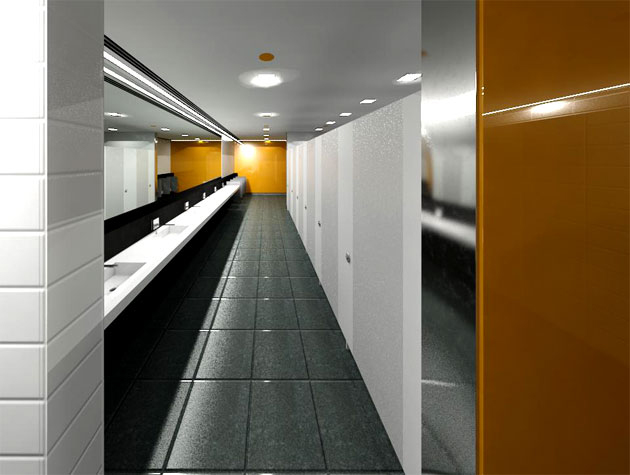
5. The information modelling software also has the ability to integrate scheduling for construction sequencing and cost estimation, which helps to achieve accurate budgeting. The information modelling software can generate high-quality 3D renderings and automatically create construction documentation.
6. The information modelling software also helps to support for facility management and maintenance after project completion.
Concept about Water System Modelling Software
Water System Modelling Software provides essential design tools for hydraulic analysis, infrastructure design and water quality simulation for drinking water distribution systems. The water system modelling software enables the engineers to simulate the flow, pressure and water age, which helps to optimise the networks, improve the system reliability and also reduce the energy costs.
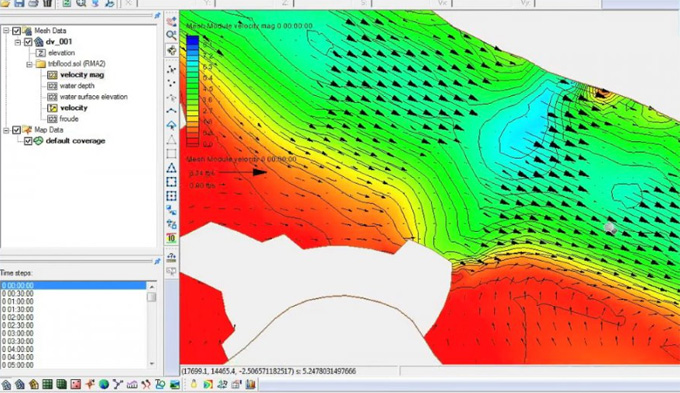
There are numerous water system modelling software has been used in the design and construction projects, which are EPANET, Bentley OpenFlows WaterGEMS, and MIKE Powered by DHI. From planning, designing and building sustainable water systems, to solving everyday challenges, the water system modelling software can help to make better decisions.
Key features of the water system modelling software
1. The water system modelling software has the ability to understand system hydraulic behaviour and performance.
2. The water system modelling software helps to build, calibrate and manage the design models quickly and easily.
3. The water system modelling software also has the ability to predict and solve network system problems.
4. The water system modelling software also performs and tracks multiple scenarios.
5. The water system modelling software helps to analyse and improve the quality of the water.
6. The water system modelling software can also identify the water loss locations, as well as help to reduce non-revenue water.
7. The water system modelling software helps to improve the pump modelling, thus reducing energy expenses.
8. The water system modelling software helps to improve emergency responses.
9. The water system modelling software helps to mitigate the risks of catastrophic water events.
10. The water system modelling software helps to assess and meet fire flow reliability requirements.
To get online demonstration, watch the following video tutorial.
Video Source: Man and Machine Limited
11. The water system modelling software also helps to predict and meet population demands.
12. The water system modelling software also helps to design cost-effective system expansions and rehabilitation strategies.
13. The water system modelling software has standrad option, which helps to analyse, design and optimise the water distribution systems.
14. The water system modelling software has advanced options along with additional artificial intelligence capabilities. This software also has the capability to analyse the hydraulic transient.
15. The water system modelling software can perform multiple hydraulic model scenarios by using alternative data sets to simulate the system under a variety of what-if conditions. In addition, the water system modelling software can also analyse pipe and valve criticality to determine the weakest links in the water distribution system.
16. Engineers are able to plan, design and analyse water systems with the help of the water system modelling software.
Gallery
Feel free to contact us for BIM requirements. One of our representative will respond you within 24 Hours. Send us your projects requirement today and grow your project.
Explore More !