Top Benefits of Revit for Structural Engineering
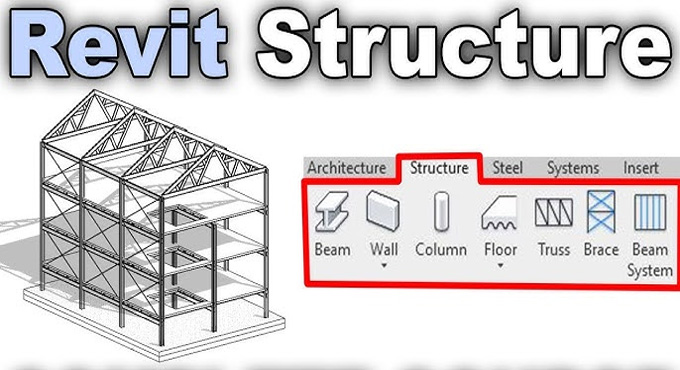
The Revit Structure is a widely used Building Information Modelling (BIM) software program developed by Autodesk. The Revit Structure replace the traditional, two-dimensional approaches with cutting-edge, three-dimensional tools. The Revit Structure helps to bring exciting new design capabilities and improvements for the structural engineers, and helps to streamline the design and construction processes.
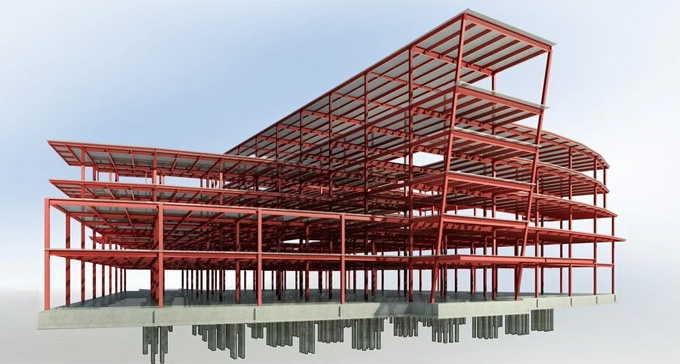
The Revit Structure offer several design features, including site modelling feature, rebar analysis feature and others that will help modern structural engineers to work better with other disciplines and improve design collaboration with architects, project managers, MEP engineers, and others.
Discuss the uses of the Revit Structure for the structural engineers
Improving the design collaboration
By using the Revit software, from structural engineers to architects, each and every one can work together in real-time. This collaboration feature enables the easy resolution of design problems more accurately and quickly. Thus, the collaboration feature of the Revit Structure helps to improve the overall design process.
Increasing design accuracy
The Revit Structure has the capability to create more precise 3D design models, reducing the design errors and redos during the design process, which are less likely due to more precise construction papers.
Increasing design productivity
With the help of the automotive features and the built-in processes of the Revit Structure, the structural engineers become more productive.
Improving design visualisation
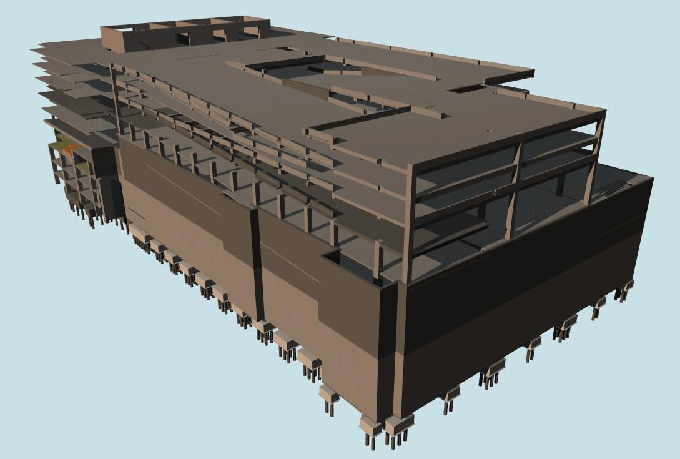
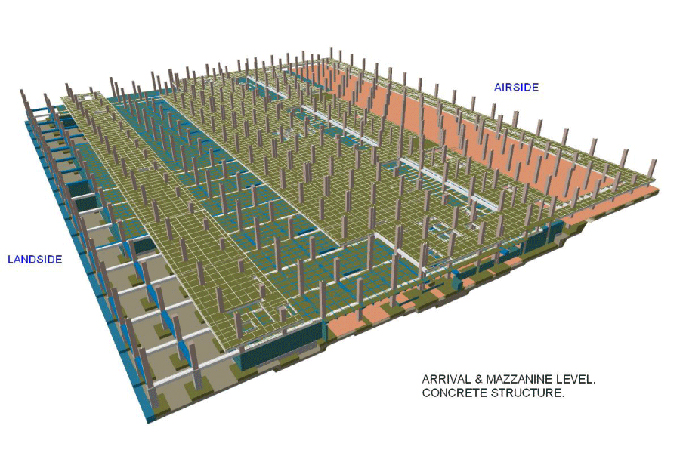
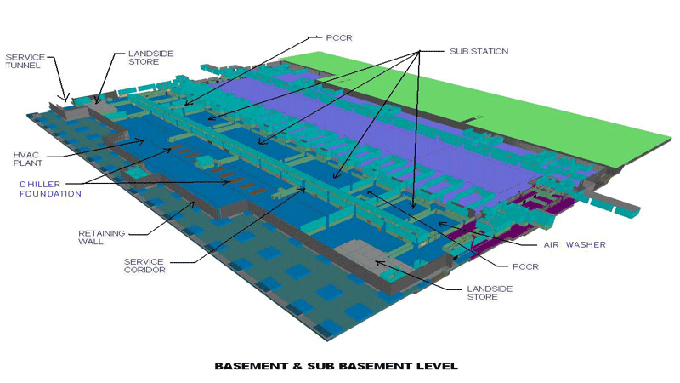
The intuitive and feature-rich user interface of the Revit Structure enables the design professionals to examine and visualise the design structure in 3D. This visualisation feature of the Revit software helps to facilitate better coordination and communication between all involved parties of the design project. Thus, the Revit Structure makes it simpler to identify the design problems before the beginning of the design phases.
Increasing design flexibility
The Revit Structure helps to alter and update the design information more simply, which enables the structural engineers to make necessary adjustments to the design more easily, as well as helps to react to the design changes in the project requirements.
Learn about the role of Revit Structure in structural analysis integration
1. The structural analysis integration feature of the Revit Structure acts as a game-changing feature, as it helps to revolutionise the design and analysis process of building structures by architects and engineers.
2. The Revit Structure can combine with advanced structural analysis software, for example, Robot Structural Analysis or ETABS, which enable the structural engineers to create a digital twin of the building structure along with the structural components and systems.
3. The Revit Structure also helps to streamline the design and analysis process, which reduces the data translation needs and reduces the risks of rework. Thus, the structural engineers can make more informed decisions from the early stage of the design, as well as ensure the design structure meets safety and performance standards.
Learn about the role of Revit Structure in the reinforcement detailing process
1. The reinforcement detailing is another crucial aspect of the Revit Structure of the BIM process. The reinforcement detailing feature allows structural engineers to create detailed and accurate design representations of the reinforcing bars within the concrete structure.
2. The Revit Structure also offers several reinforcement detailing tool, which enables the structural engineers to plan, document and manage the reinforcement designs for the structural elements of the building, including columns, beams, slabs and others.
3. The parametric modelling capabilities of the Revit Structure enable the easy modification of the reinforcement elements, which helps to save design time, as well as enhancing the design project efficiency.
Understanding the role of Revit Structure in the complex analysis and simulation process
1. The complex analysis and simulation feature of the Revit Structure utilises the intricate algorithms and simulations, which help to assess the structural integrity and behaviour of a building or infrastructure.
2. The complex analysis and simulation feature also enables the structural engineers to model and analyse various complex structural systems, which helps to offer detailed insights into the design performance under different conditions.
Role of Revit Structure in the advanced scheduling and quantification process
1. The Revit Structure also offer advanced scheduling and quantification features, which help to bring efficiency and precision to structural design and the documentation process.
2. This feature also enables the structural engineers to create detailed schedules and accurate quantity takeoffs for the structural elements of the building design.
To get online demonstration, watch the following video tutorial.
Video Source: Skillmax Academy
Understanding the role of Revit Structure in creating customised templates and design workflows
1. The Revit Structure also offer customised templates and design workflows, which play an important role in streamlining the design and construction processes for the structural engineers.
2. The customised template and design workflows enable the structural engineers to define the standardised settings, families, and design parameters, thus helping to ensure consistency and efficiency in their designs.
Gallery
Feel free to contact us for BIM requirements. One of our representative will respond you within 24 Hours. Send us your projects requirement today and grow your project.
Explore More !