How Cloud-Based CAD Is Changing the Future of Collaborative Design
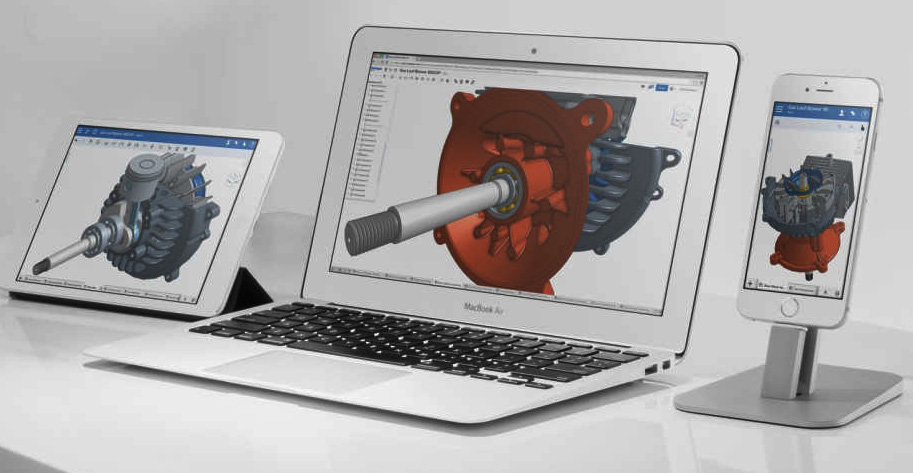
The Cloud-based Computer-Aided Design (CAD) software can run in the local browser or through a mobile application or web browser. There are several CAD programs available in the design industry, for example, Fusion and AutoCAD Web, which help to offer the same design capabilities as traditional CAD software.
The cloud-based CAD devices allow design professionals to create, modify and manage designs through different online platforms. The cloud-based CAD software retains all functionality of the traditional CAD software, for example, drafting, modelling, and rendering features, which helps to provide improved collaborative and remote design work capabilities.
Discuss the key features of cloud-enabled design programs
Real-time collaboration feature
With the help of cloud-based CAD devices, the design team can work on the same design project simultaneously, regardless of the design work locations. Thus, each project team member can get real-time design updates and can improve their design communication and productivity.
Update and maintenance feature
The cloud-based CAD programs have been updated automatically by the provider, which helps to ensure that design professionals can access the latest features and security enhancements for the design projects.
Accessibility feature
Designers can access the design projects from any device with internet access by using the cloud-based CAD software, which helps to eliminate the requirement for a single workstation.
File sharing feature
The cloud-based CAD systems also allow users to share designs easily and can access the link instead of transferring large design files via external drives and email.
File sharing feature
In addition, the BIM outsourcing services help to minimise the rework during the construction process. Thus, the BIM outsourcing services help to improve the design collaboration among the different disciplines and help to achieve smoother execution of the design and construction project.
Providing scalable storage solutions
The cloud-based CAD platforms help to offer scalable storage options, which help to accommodate the design projects of all sizes without requiring any kind of additional hardware investments.
Learn about the effectiveness of cloud-based CAD programs in the design industry
Increasing design collaboration
Cloud-based CAD devices can globalise the designs, which enables the design team members to access the designs from different locations. The cloud-based CAD platforms allow design professionals to collaborate in real time and streamline the design workflow. By using the CAD tools, users can work on the project prototype and make better decisions regarding the design project.
Increase design cost-effectiveness
The cloud-based CAD tools also help to reduce the requirements for expensive hardware maintenance and upgrades. The CAD software has been hosted on external servers; thus, the upfront costs of the business have been reduced while benefiting from subscription-based pricing models.
Improve design flexibility
The cloud-based CAD programs also allow the design team to work from home, the office or from any other location. This design flexibility is extremely valuable for remote team members and freelancers.
Involves disaster recovery and improves data security
The cloud-based CAD designs help to provide robust data backup and security features. Thus, the designs remain safe and more accessible in the cloud.
Maintain design scalability
The cloud-based CAD solutions help to scale the designs easily to meet design demands, which helps to provide the resources required for large-scale design projects without compromising design performance.
Streamlining design workflow
Cloud-based CAD platforms enable users to streamline their design drafting and revise the design workflows. With the help of the CAD tools, users can track design projects, add comments on the designs, share design files and also manage the project on-site along with online CAD tools.
Applications of cloud-based CAD programs in the design industry
Cloud-based CAD designs have been widely used in different sectors to achieve better design outputs.
Used in the architecture and construction industry
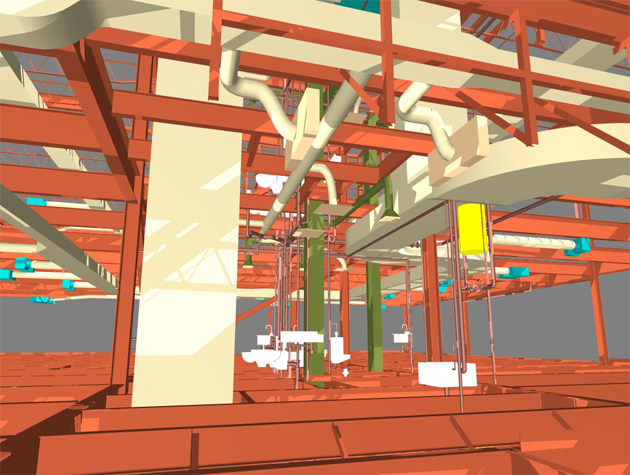
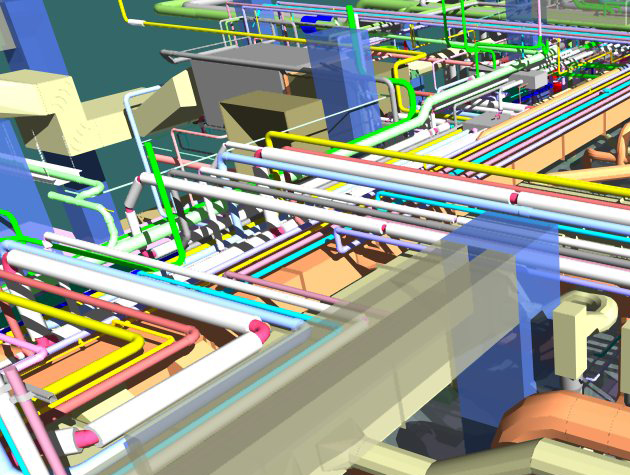
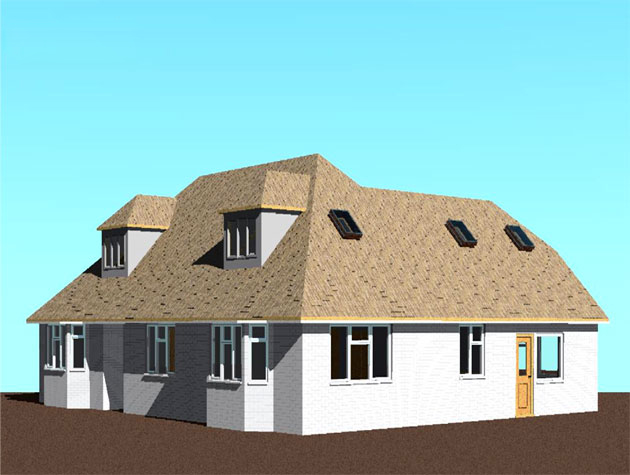
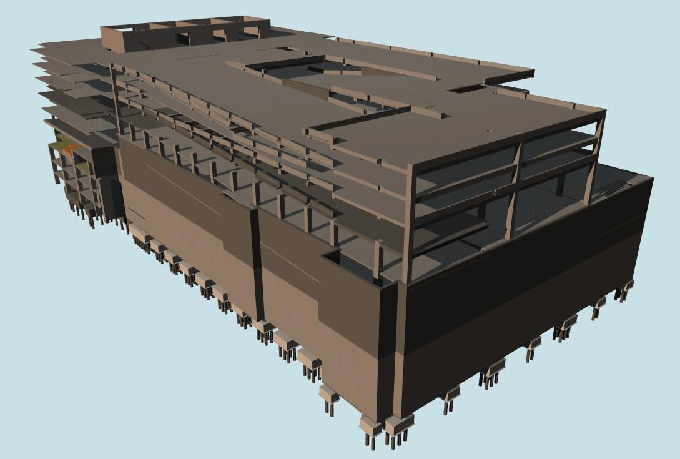
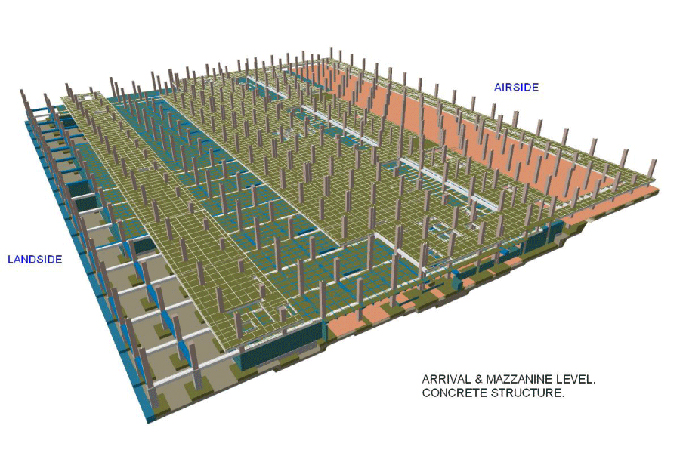
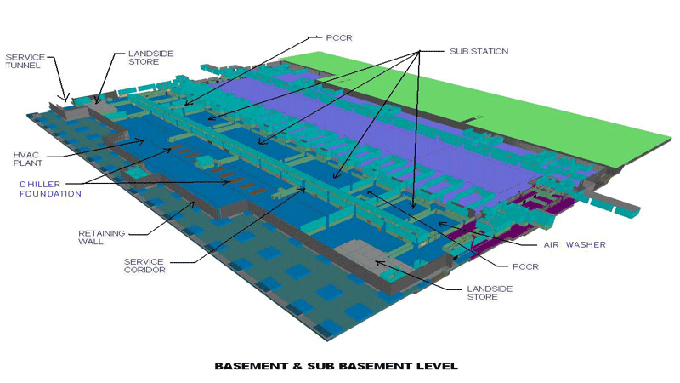
Cloud-based CAD designs have been used by architects and construction professionals for creating detailed 3D design models. The remote collaboration feature of the cloud-enabled designs allows construction professionals to review their design blueprints, and thus they can make design changes in real time, improving their design efficiency.
Used in the manufacturing and engineering sectors
The cloud-based CAD solutions help to facilitate the design of complex components and machinery. By using cloud-enabled CAD designs, engineers can collaborate effectively with clients and suppliers; thus, the designs can be refined, design errors are minimised, and the project timeline is sped up.
Used for education and training purposes
Several educational institutions use cloud-based CAD designs to teach their students regarding the fundamentals of CAD software. The accessibility of the CAD tools helps to ensure that the students can learn from these CAD tools from anywhere, even outside the classroom.
Used for product design
Product designers also use cloud-based CAD design tools to create test designs and prototypes, which helps to achieve realistic visualisations for the project stakeholders.
Gallery
Feel free to contact us for BIM requirements. One of our representative will respond you within 24 Hours. Send us your projects requirement today and grow your project.
Explore More !