Revolutionising Food Industry Design with BIM
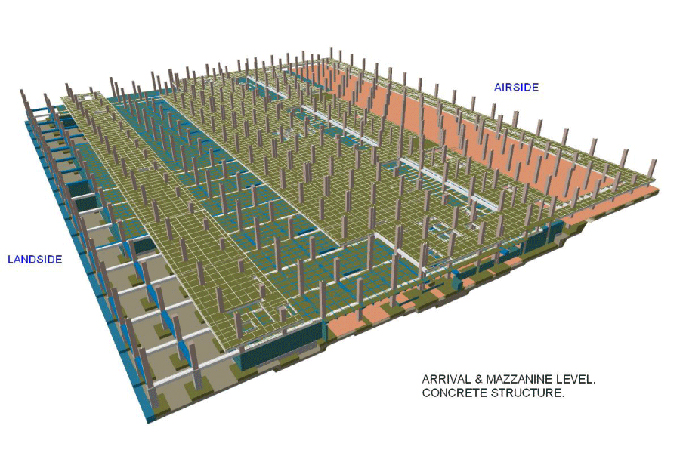
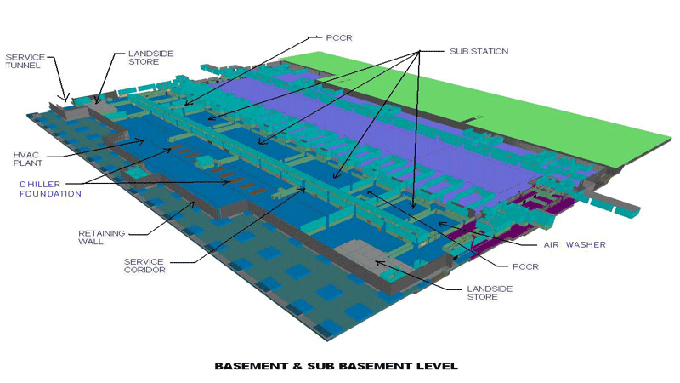
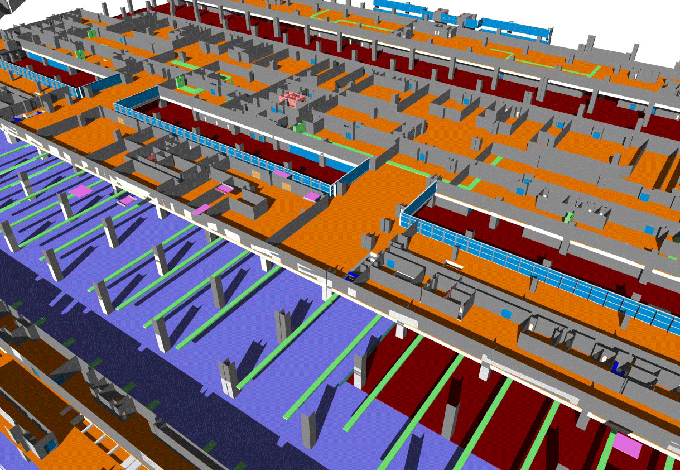
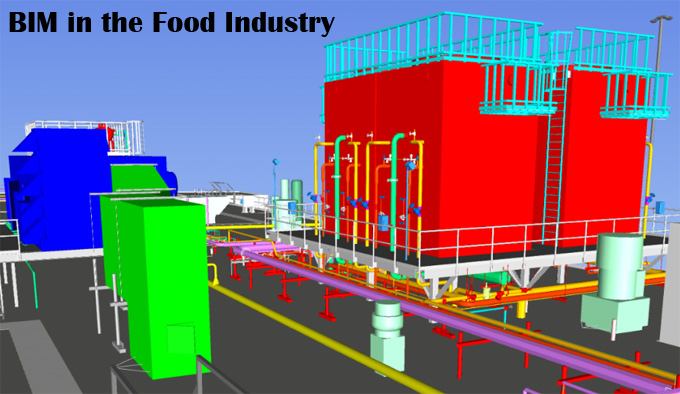
The Building Information Modelling (BIM) technology serves as a shared knowledge resource, which helps to provide all project stakeholders with more detailed information throughout the lifecycle of the project. The BIM technology offers several design features, including 3D visualisation, real-time design collaboration, information management, and digital simulation features.
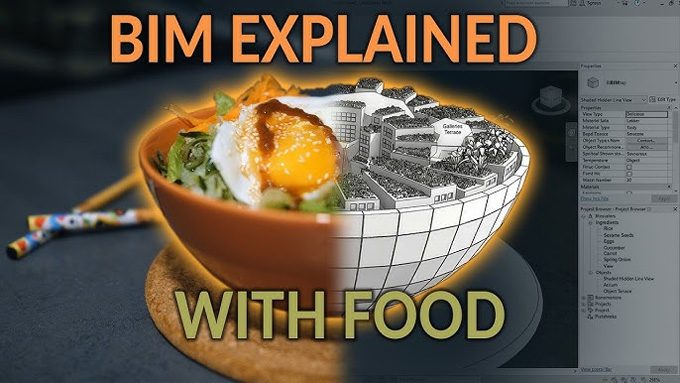
These design features of the BIM technology enable users to work together on the same page, thus helping to reduce the risks of errors and misunderstandings in the project. The BIM technology also helps to keep all project updates visible in real time.
Key usefulness of BIM technology in the food industry
Integrating the design process
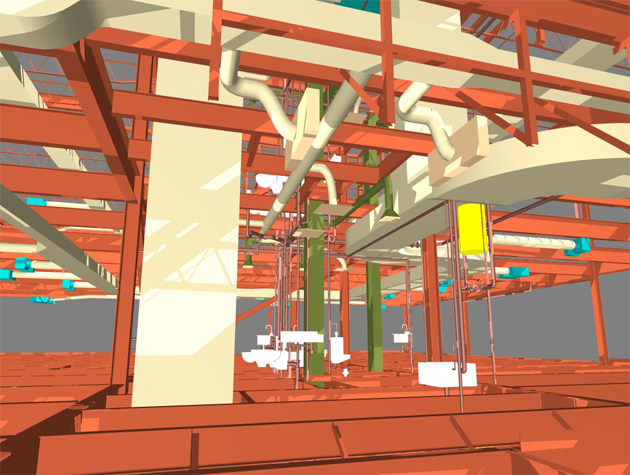
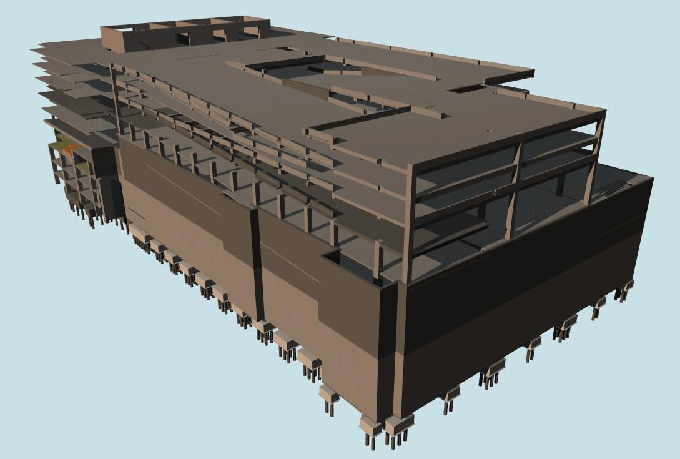
With the help of BIM technology, users are able to integrate the structural and architectural designs into a single design model. This design feature helps to ensure that all aspects of the food industry have been considered, coordinated on the same page, and overall risks of errors can be significantly reduced.
Improving design accuracy
BIM technology helps to provide a more accurate and detailed design model, which helps to minimise discrepancies in the project, which is crucial in the design process of the food factory.
Improving design project collaboration
With the help of BIM technology, all project stakeholders of the food industry can collaborate in real time. This feature of BIM technology helps to facilitate a better decision-making process for food industry projects, thus helping to get better project outcomes.
Offering clash detection feature
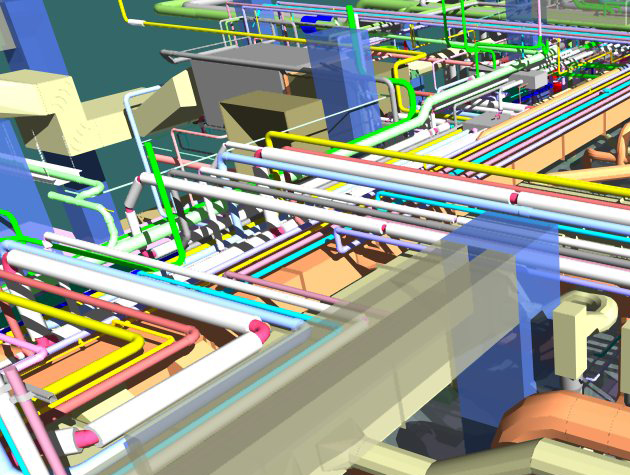
With the help of BIM technology, users are able to identify clashes between the different systems of the food factory, including HVAC ducts and electrical conduits. Thus, the BIM technology avoids costly reworks during the construction process.
Thermal and hygiene analysis feature
In food factories, it is necessary to maintain strict temperature and hygiene standards. The BIM technology helps to assess the thermal performance of the facility in food factories, which helps to ensure that the hygiene zones of the food factory have been separated and maintained, thus helping to prevent contamination and spoilage in the food factory.
Energy efficiency analysis feature
The BIM technology also allows users to analyse energy consumption and efficiency in a food factory. With the help of BIM technology, users can also identify the energy-saving opportunities of the food industry, which helps to reduce the overall operational costs and environmental impacts within the food industry.
Structural analysis ability
The structural performance of the food factories has also been simulated by the BIM technology under different conditions. This analysis feature of the BIM technology helps to ensure the resilience and safety of the building.
Process flow optimisation feature
The BIM technology can also be involved in the process flow optimisation of the raw materials and products within the food factory. This process helps to identify the bottlenecks and also helps to optimise the design layout to achieve better productivity.
Cost estimation feature
BIM technology also helps to provide more detailed cost estimations of the food industry project. In addition, BIM technology also provides different design options and construction sequences of the food factories, which enable the project stakeholders to make more informed decisions to keep the project within the budget.
Discuss the applications of BIM technology in the food and beverage industry
Used in the design phase of the food factory
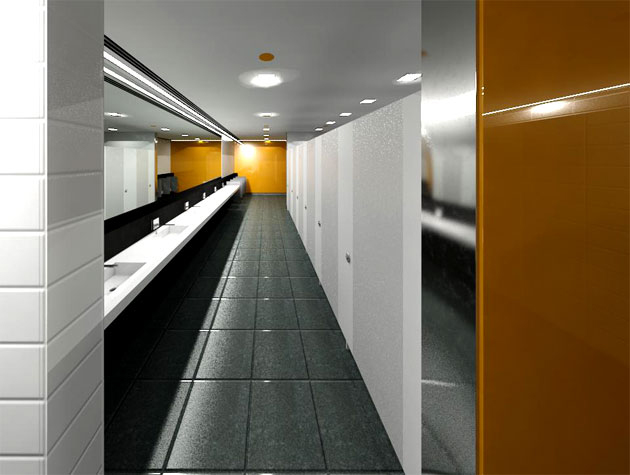
1. BIM technology has been applied in the early design phase of the food factory, which allows all project stakeholders to control the technical systems of the food factory and can also control spatial planning of the food factory. This BIM application significantly reduces the project risks and costs in the later phases of the food factory.
2. The BIM technology also allows the creation of detailed 3D architectural models at the early stage of the project, which helps to support thorough spatial analysis and optimisation during the design stage of the food factory.
3. The BIM technology also allows the intuitive simulation of circulation flows for the materials, staff, and finished products, which helps to eliminate unnecessary intersections and helps to achieve more efficient operational workflows.
Used in the operation and maintenance of the food factory
1. The asset management process of the food factory has also been supported by using BIM software. Each asset of the food factory includes detailed technical information, which enables the maintenance planning and monitoring process of the food factory.
2. With the help of BIM technology, the maintenance team of the food factory can locate the equipment, review the operational history of the factory and access the technical requirements of the food factory. Thus, the overall operational risks of the food factory can be significantly mitigated by using BIM technology.
3. The BIM design models can also evolve into digital twins, which enable the performance analysis process, real-time monitoring process and predictive maintenance process.
Gallery
Feel free to contact us for BIM requirements. One of our representative will respond you within 24 Hours. Send us your projects requirement today and grow your project.
Explore More !