Benefits of Using BIM for Fire Safety in Construction
Discuss the role of BIM technology for fire safety in construction
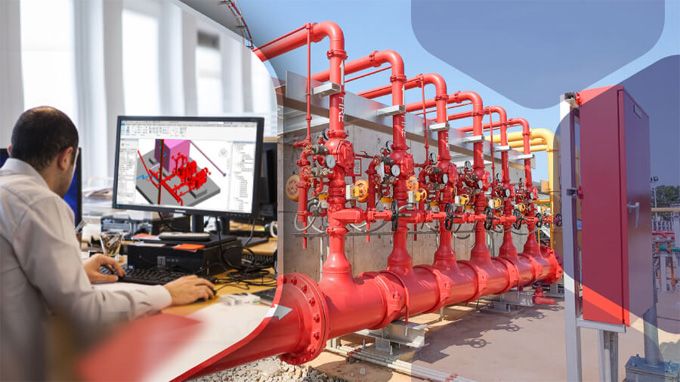
Building Information Modelling (BIM) acts as an advanced way of working, in which the construction professionals can take fire safety considerations into the design and planning process. The implementation of the BIM technology in the fire safety system helps to provide several benefits, which are as follows:
Improving visualisation and planning for fire safety
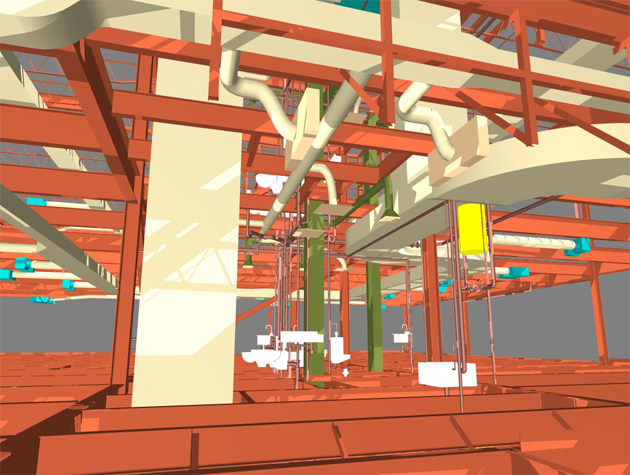
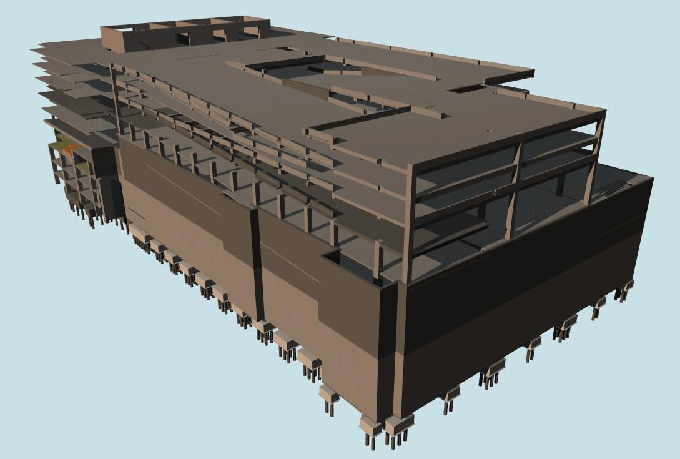
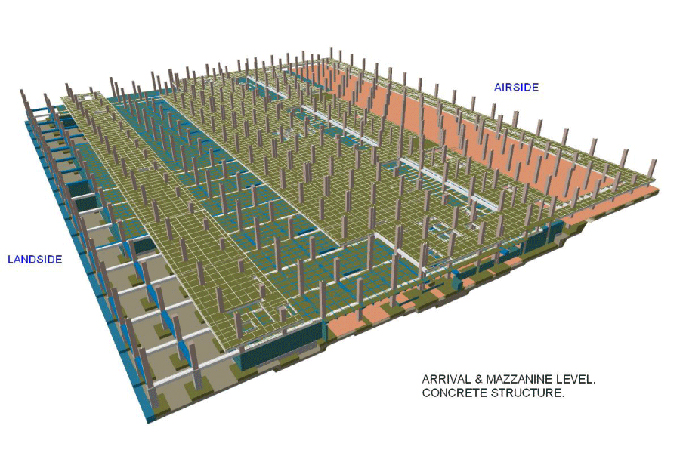
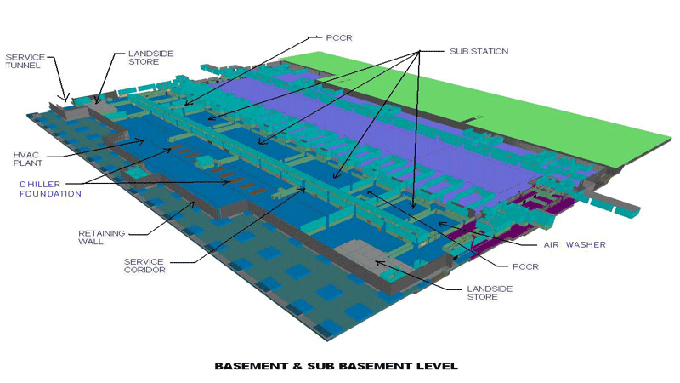
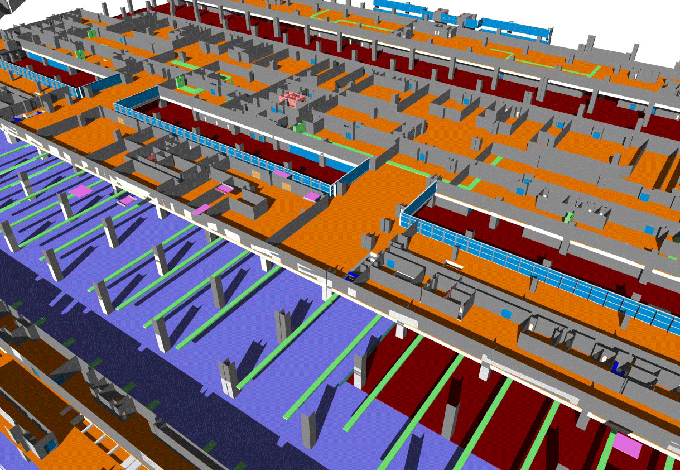
The BIM technology helps to provide a complete 3D view of the building's structure, which aids in the planning of the fire safety. The BIM 3D design models help to provide detailed fire protection equipment, for example, smoke, fire alarms or sprinklers.
The BIM technology can simulate different fire scenarios inside the building design model. The BIM technology provides the visual clarity regarding the fire safety planning, which improves communication among the engineers, architects, and fire safety experts.
Improving design detailing and coordination
The BIM technology helps to improve the design accuracy and detailing, which is fundamental for the smooth architectural fit of fire safety systems inside a building structure. BIM technology also helps to connect fire safety systems with the MEP services. In addition, the BIM technology helps to ensure that all the design models of fire safety design will comply with the related codes or standards. This feature helps to reduce the risk of non-compliance problems happening during the construction process.
Improving the clash detection process
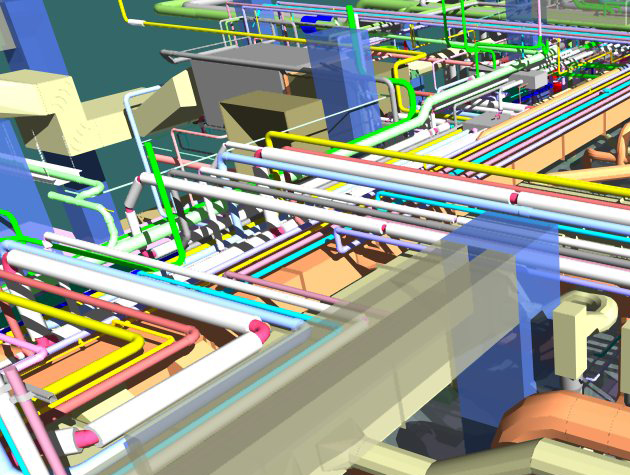
The BIM software is able to detect conflicts in the fire safety installation process and MEP systems. This clash detection feature helps to prevent problems in the early construction phase. While resolving the clashes during the design process, expensive and time-consuming changes on the project site can be avoided. BIM technology also helps to keep the fire safety system in balance along with MEP services, which helps to maintain the design integrity and functionality of the building systems.
Improving stakeholder collaboration
BIM technology enables a collaborative approach; as a result, architects, fire safety consultants, and contractors can collaborate to assist with improving the standards of fire safety. With the help of BIM technology, the fire safety consultants can identify inefficiencies or hazards in real-time. BIM services also help to coordinate fire safety components in the various disciplines by means of a design model. BIM design tools also help to spot design conflicts before the beginning of the construction process.
Time-saving feature
BIM technology enables the correct implementation of the fire safety designs from the beginning of the construction process, identifying the design issues in the virtual model, thus helping to avoid the costly on-site changes and construction delays.
Adhere to the fire safety rules and regulations
BIM technology helps to visualise and simulate the complete mechanism of the fire safety, which makes it easy for the engineers to assess if the building plans are fulfilling the required fire safety rules. BIM technology also helps to include design parameters as dictated by the fire safety regulations. The incorporation of the relevant codes and design standards into the design model makes it easy to demonstrate that the MEPF system, including the fire protection system, adheres to the local building standards and regulations.
Helps to automate hydraulic calculations
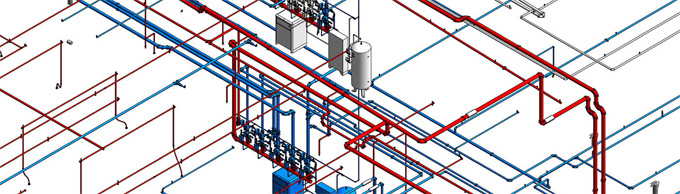
BIM technology uses the parametric design principles, which enable the designers to automate the hydraulic calculations. This BIM feature helps to determine the accurate sizing of the pipes, pressure requirements and flow rates for the fire sprinkler system.
To get online demonstration, watch the following video tutorial.
Video Source: SFPE
In addition, the BIM technology also helps to ensure the optimised sprinkler system design and ensures the accurate placement of the other types of fire protection equipment.
Performance simulation and analysis feature
BIM tools help to enable the simulation of fire scenarios, which allows designers to assess the performance of fire protection systems under different conditions. With the help of BIM technology, the fire protection experts can evaluate the effectiveness of the smoke extraction systems, fire sprinkler systems and other types of fire safety measures. This performance simulation feature of the BIM technology leads to achieving more efficient, accurate and compliant fire safety solutions for the building structures.
System data management feature
BIM technology helps to create a centralised repository for crucial details of fire protection systems. A comprehensive database has been provided by the BIM software, which enables the project stakeholders to access precise information throughout the lifecycle of the project. Thus, the project stakeholders can make informed decisions regarding the materials and maintenance processes. With the help of the BIM technology, the facility managers can also ensure that the inspections, testing, and maintenance have been conducted on time on the basis of the regulatory requirements. Thus, the overall reliability and efficiency of fire protection systems have been improved.
Gallery
Feel free to contact us for BIM requirements. One of our representative will respond you within 24 Hours. Send us your projects requirement today and grow your project.
Explore More !