BIM in Interior Design: The Future of Smart Interiors
Understanding Building Information Modelling technology and its importance in the interior design sector
Building Information Modelling (BIM) technology helps to integrate 3D design models along with the structured project information, which helps to provide an intelligent digital model of the built environment. The BIM technology helps integrate all plans with a single coordinated design model.
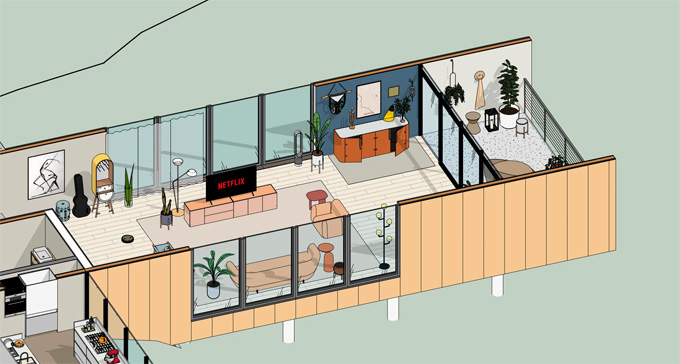
The BIM technology also helps to eliminate many inconsistencies, which are common in the traditional documentation system. The BIM technology helps to organise and retain the consistency of 3D design models. In addition, the designers can also update the design changes quickly on the basis of the modifications done in the interior design with the help of the BIM technology.
Discuss the evolution of BIM technology in interior design
The interior designs require a complex level of coordination, for example, HVAC systems, lighting schemes, acoustic panels, custom furniture and sustainable materials. The adoption of BIM technology has increased in the interior design industry due to the requirement for immersive visualisations and the fabrication process.
The BIM technology has evolved from a desirable technology to a necessary tool in the competitive interior design industry. Interior designers use BIM technology to work more efficiently and quickly. The BIM technology enables the interior designers to visualise the interior designs in three dimensions. This technology allows the interior designers to work on the same file at the same time; as a result, no team member has to wait for their turn. Thus, the design work will proceed faster and easier, along with a lower chance of rework.
Learn about the key benefits of BIM technology for interior designers
Providing accurate as-built documentation
The BIM technology enables the interior designers a more precise and detailed as-built documentation process of the existing structures. BIM technology helps to make interior designs on the basis of accurate measurements, which helps to reduce the risks of errors and discrepancies during the design phase.
Having an efficient space planning feature
The BIM technology allows the interior designers to make accurate representations of the available space, for example, doors, windows, walls, and structural design elements. This detailed design helps to support efficient space planning, which enables the interior designers to optimise the layout arrangement process, functional zones, and circulation path to maximise the space usage.
Exploration and visualisation feature
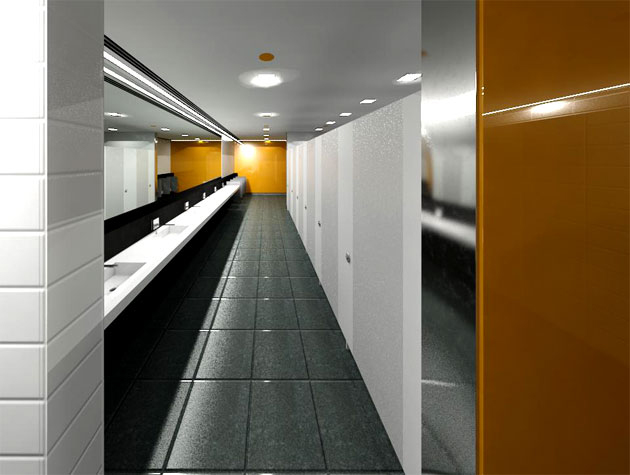
The BIM technology allows interior designers to explore different design options virtually. Thus, the interior designers are allowed to visualise how the different design elements would fit and interact within the design space.
Clash detection and coordination ability
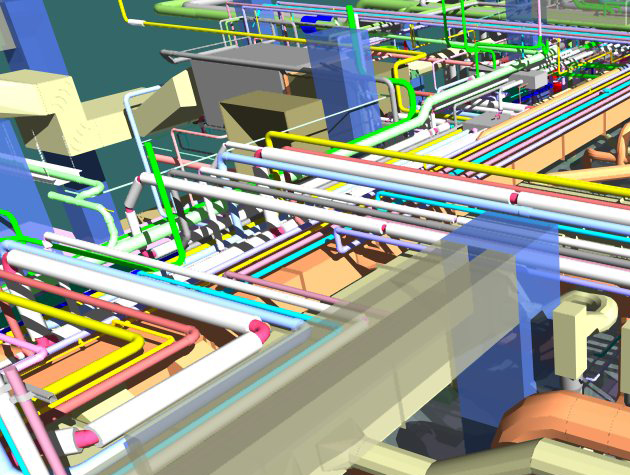
The BIM design models also enable the interior designers to identify the clashes between the existing design conditions and the design elements. This early clash detection process helps to reduce the need for rework and costly changes during the construction process.
Design customisation and personalisation feature
The BIM data helps to empower the interior designers to tailor the designs to the specific requirements of the clients. With the help of BIM technology, the interior designers can create customised interior solutions and propose the design elements which will align with the vision of the client, thus helping to ensure a personalised and unique design outcome.
Offering a material selection feature
A BIM design model helps to provide more design insights into the existing design materials within a space. This feature enables the interior designers to make more informed decisions about the selection of the design materials.
Ability to renovate and retrofit projects
The BIM technology helps to streamline the overall design process for the interior designers who are working on renovation or retrofit design projects. This accurate representation feature enables interior designers to plan renovation processes efficiently and integrate the design elements seamlessly into the space.
To get online demonstration, watch the following video tutorial.
Video Source: Paperspace Asia
Time and cost-saving feature
The BIM technology helps to reduce the time spent by the interior designers on site measurements and the data collection process. The BIM technology helps to translate to quicker iterations and influences the faster delivery of the design project.
This feature helps to identify the clashes and project issues at the beginning of the design project, thus helping to minimise the costly reworks. BIM technology also offers faster revision management and influences the automated quantity take-off for procurement. Thus, the interior designers have better control over the project budgets and schedules.
Collaboration and communication feature
The BIM technology helps to improve the collaboration between the project stakeholders and designers, including the project contractors, architects, engineers and clients. The detailed 3D design model achieved by the BIM technology helps to ensure that each member of the project team will work on the same project throughout the design and construction phases.
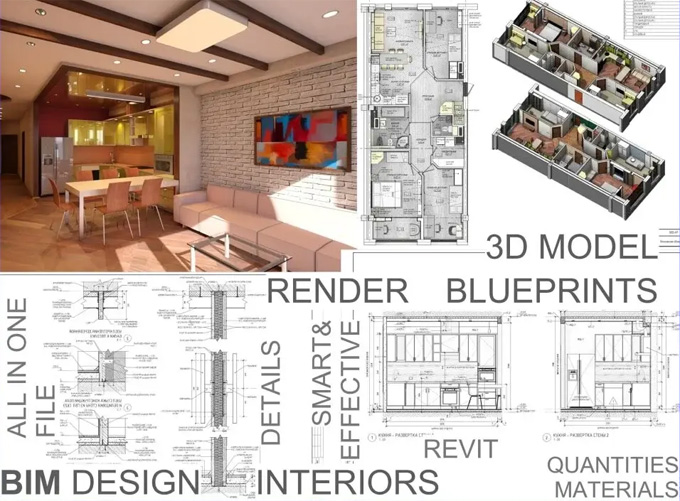
Gallery
Feel free to contact us for BIM requirements. One of our representative will respond you within 24 Hours. Send us your projects requirement today and grow your project.
Explore More !