AutoCAD, Revit and STAAD Pro for Civil Engineers
Concept about AutoCAD Software
The AutoCAD software has powerful functions and flexible operations, which help to make it a must-have tool for civil engineers. The AutoCAD software allows civil engineers to improve the design accuracy and reduce the project costs, thus helping to achieve high-quality project outputs. So, learning AutoCAD software can be valuable for civil engineers.
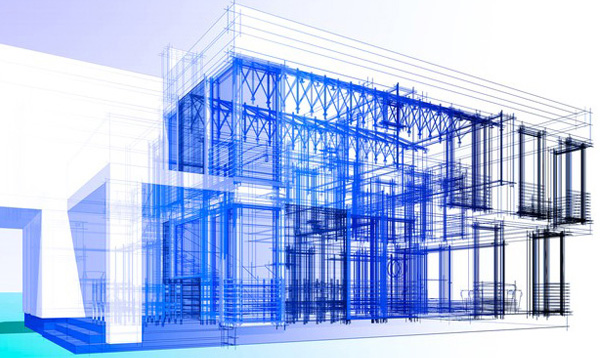
Discuss the key roles of the AutoCAD software for civil engineers
The AutoCAD software offers several advantages which cater to the diverse civil engineering needs. These advantages are as follows:
1. The AutoCAD software helps to provide a wealth of drawing tools, which can be used quickly and more accurately, which helps to create various engineering drawings.
2. The AutoCAD software also offers measurement and annotation tools, which help to contribute to the accuracy of design drawings in the civil engineering sector, which reduces the project errors and lowering the chances of rework.
3. The AutoCAD software offers 3D modelling and visualisation features, which enable civil engineers to understand the design solutions, thus civil engineers can conduct more in-depth analysis. The AutoCAD software not only helps to improve the design quality, but also helps to provide a clearer visual representation to the project team members, clients and stakeholders, which helps to make more informed decisions. Thus, the AutoCAD software can avoid potential construction issues in the civil engineering project.
4. The AutoCAD software helps to facilitate design modifications and updates, which allows the civil engineers to respond according to the project requirements.
5. The AutoCAD software also offers a multi-user collaboration feature, which helps to facilitate effective communication and coordination between civil engineers and architects. Various file formats have been supported by the AutoCAD software, which improves the collaboration between other engineering software, which make it suitable for shared design projects.
Concept about the Revit software
The Revit software is another powerful tool which offers revolutionised architectural design and construction workflows. The comprehensive tool sets of the Revit software have been tailored for the architects, civil engineers, contractors and other project stakeholders that has been involved in the building project. The feature-rich interface of the Revit software helps to empower design professionals with an array of tools that have been designed to facilitate efficient design, analysis, documentation, and collaboration throughout the lifecycle of the project.
Learn about the key features of the Revit software for civil engineers
1. The parametric design modelling feature of the Revit software enables civil engineers to create 3D design models, where the design changes can be made in one part of the model and automatically propagate across the entire project. This feature helps to reduce the risks of errors in the civil engineering design works and helps to ensure design consistency throughout the entire design process.
2. The cloud-based collaboration tool of the Revit software helps to ensure real-time collaboration among the project team members, which enables the design professionals to work simultaneously on the same model, thus helping to improve project coordination and reduce the communication gap among the project team members.
3. The Revit software offers a data-rich design model, which contains both geometric data and a wealth of metadata, for example, cost estimates, material specifications, and construction schedules, which helps to make better decisions throughout the project lifecycle.
4. The rendering capabilities of the Revit software enable the civil engineers to create more realistic visualisations of their designs, which provide conveying ideas to the clients and project stakeholders. The Revit software also helps to support the creation of virtual walkthroughs, which enable the project stakeholders to experience the space before the beginning of the construction process.
Concept about the STAAD Pro software
The STAAD Pro software is a structural analysis and design program which has been used for the analysis of structures and the design process. The STAAD Pro software has powerful visualisation capabilities, along with a wide range of international design codes. The easy-to-use, intuitive interface enables civil engineers to convert the physical models automatically into an analytical model to achieve a more streamlined design workflow while conducting the structural analysis process. The STAAD Pro software helps to make it easy to integrate the structural analysis into the BIM design workflow, as well as it helps to share synchronised design models for multi-discipline collaboration.
Understanding the key benefits of the STAAD Pro software for civil engineers
1. With the help of the STAAD Pro software, the civil engineers are able to design steel, timber, concrete, aluminium, or cold-formed steel structures anywhere by using the international design codes. The civil engineers can also produce the automated steel drawings directly from the STAAD model.
To get online demonstration, watch the following video tutorial.
Video Source: TCA : TRAINING & DEVELOPMENT
Download AutoCAD for Civil Engineers
2. The STAAD Pro software has the ability to convert the physical design model into the analytical model, which enables the streamlining of the design workflow.
3. The STAAD Pro software also helps to streamline the multi-discipline team collaboration through broad interoperability along with desktop, cloud and mobile applications.
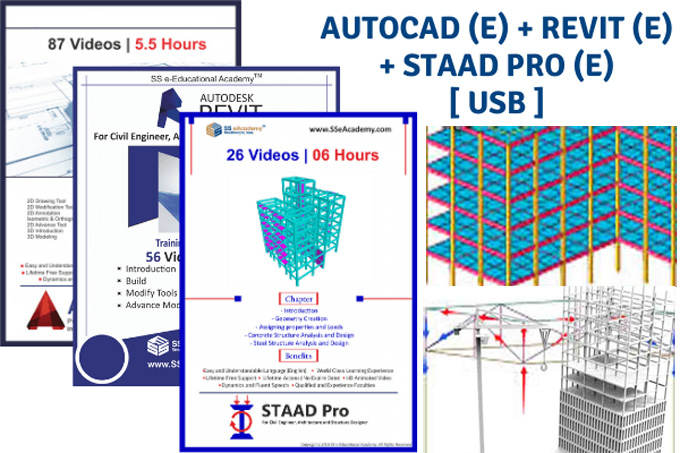
Gallery
Feel free to contact us for BIM requirements. One of our representative will respond you within 24 Hours. Send us your projects requirement today and grow your project.
Explore More !